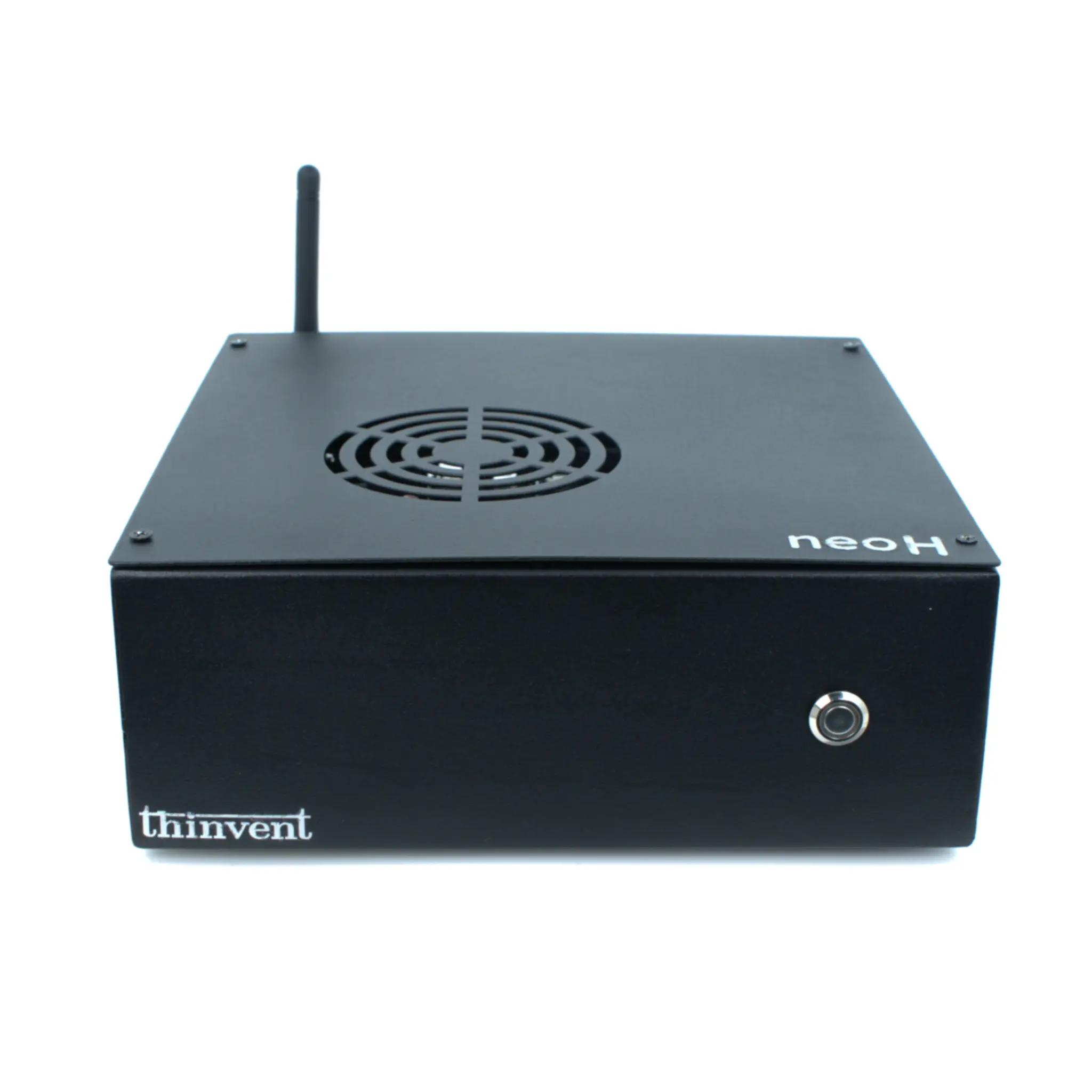
A compact desktop PC, often called a mini PC or small form factor (SFF) desktop, is a complete computer system housed in a significantly smaller chassis than a traditional tower. These systems are designed to deliver essential computing power while minimizing their physical footprint, making them ideal for environments where space is at a premium. They typically feature low-power, efficient processors, integrated graphics, and solid-state storage, offering a balance of performance, reliability, and silent, fanless operation.
Key Specifications and Technical Details
Modern compact desktops are built around energy-efficient processors from Intel's N-series (like the N100) or low-power Core i3/i5 series. They prioritize essential connectivity and thermal management. Common specifications include:
-
Form Factor: Ultra-compact designs, often measuring just a few inches in each dimension.
-
Processors: Intel Celeron, Intel Processor N-series, or low-TDP Intel Core CPUs.
-
Memory: Typically 4GB to 16GB of DDR4 or DDR5 RAM.
-
Storage: M.2 NVMe or SATA SSDs ranging from 128GB to 1TB.
-
Cooling: Passive (fanless) or ultra-quiet active cooling for silent operation.
-
Connectivity: Multiple USB ports (including USB-C), HDMI/DisplayPort outputs, Gigabit Ethernet, and often optional Wi-Fi/Bluetooth.
-
Power: External power adapters (e.g., 12V/2A) for a cleaner, cooler internal design.
Use Cases and Applications
The small size and versatile mounting options (VESA mount) of these PCs open a wide range of applications beyond a standard office desk.
-
Digital Signage & Kiosks: Hidden behind displays in retail, hospitality, or public information points.
-
Office & Workspace Computing: Ideal for clutter-free desks, hot-desking environments, and reception areas.
-
Home Theater PCs (HTPC): A silent media center for streaming and local media playback.
-
Light Industrial & Edge Computing: Deployed in control rooms, manufacturing floors, or as thin clients where space and reliability are critical.
-
Education: Perfect for computer labs or mounted behind monitors in classrooms to save space and reduce cables.
Comparison: Compact Desktop vs. Traditional Tower
| Feature | Compact Desktop PC | Traditional Tower PC |
|---|---|---|
| Size | Extremely small (e.g., 0.5-2 liters) | Large (e.g., 20-50 liters) |
| Footprint | Minimal, can be mounted out of sight | Requires significant desk or floor space |
| Power Consumption | Low (10W-65W TDP) | High (65W+ TDP for CPU alone) |
| Noise Level | Silent (fanless) or very quiet | Can be noisy under load |
| Upgradeability | Limited (typically RAM & SSD only) | High (multiple expansion slots) |
| Ideal For | Space-constrained, fixed-function, silent environments | High-performance gaming, workstations, servers |
Thinvent Compact Desktop Solutions
Thinvent specializes in robust, industrial-grade compact desktop computers engineered for 24/7 reliability. Our range of fanless mini PCs, like the Aero series, are built with durable components to withstand demanding environments. They feature efficient Intel processors, ample memory and storage options, and a wide selection of operating systems, including Windows 11, Ubuntu Linux, and our custom Thinux™ Embedded Linux. Designed for vertical mounting and easy integration, Thinvent's small desktops provide a powerful, space-saving computing solution for commercial and industrial applications worldwide.