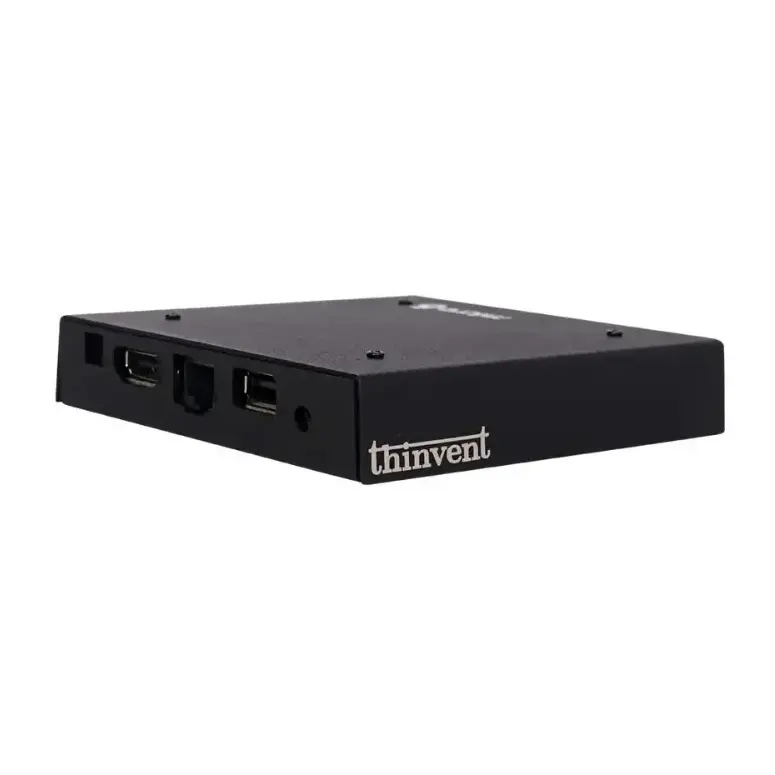
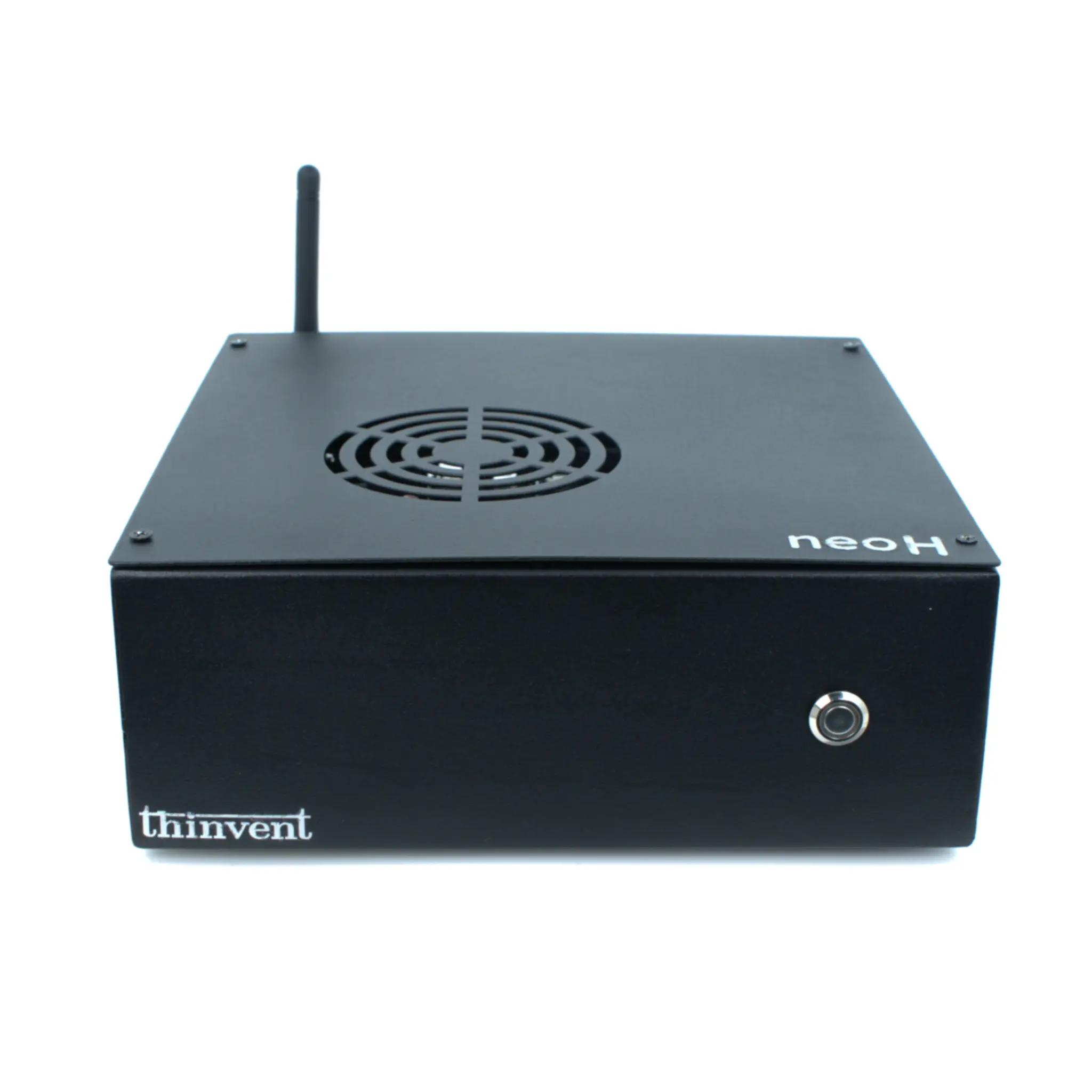
What is a Compact Mini PC?
A compact mini PC is a small-form-factor computer designed to deliver full desktop functionality in a significantly reduced physical footprint. These systems are typically characterized by their fanless or low-noise cooling, low power consumption, and robust connectivity options. They are engineered for reliability in continuous operation, making them ideal for environments where space, power efficiency, and durability are critical.
Key Specifications and Technical Details
Modern compact mini PCs, like those based on Intel's N-series processors, offer a balanced profile of performance and efficiency. Common specifications include:
-
Processor: Energy-efficient Intel processors (e.g., N100) with 4 cores, offering sufficient power for everyday computing and specialized applications.
-
Memory: Configurations typically range from 8GB to 16GB of DDR4 RAM, ensuring smooth multitasking.
-
Storage: Solid-state drives (SSDs) from 128GB to 512GB provide fast boot times and responsive application loading.
-
Connectivity: Standard features include Gigabit Ethernet for stable network connections, multiple USB ports (including USB 3.2), and HDMI outputs for dual-display setups.
-
Design: A fanless, sealed chassis is common, which eliminates dust ingress and moving parts that can fail, enhancing long-term reliability.
Use Cases and Applications
These versatile computers are deployed across numerous sectors due to their ruggedness and compact size.
-
Digital Signage & Kiosks: Powering interactive displays, menu boards, and information points in retail, hospitality, and public spaces.
-
Industrial Automation: Serving as a control unit or HMI (Human-Machine Interface) on the factory floor, resistant to dust and vibration.
-
Thin Client & VDI: Acting as an endpoint for virtual desktop infrastructure, centralizing management and security.
-
Office & POS Systems: Providing a quiet, space-saving computing solution for general office work or point-of-sale terminals.
-
Edge Computing: Processing data locally in IoT deployments, from smart buildings to transportation systems.
Comparison: Compact Mini PC vs. Traditional Desktop
| Feature | Compact Mini PC | Traditional Desktop |
|---|---|---|
| Size | Extremely small (often palm-sized) | Large tower case |
| Power Consumption | Very Low (10W-30W) | High (65W+ for CPU alone) |
| Noise | Silent (fanless) or very quiet | Audible fan noise |
| Durability | High (often fanless, wide temp. range) | Standard (consumer-grade) |
| Upgradability | Limited (often RAM/SSD only) | Highly expandable |
| Ideal For | Embedded, space-constrained, 24/7 use | High-performance gaming, intensive workloads |
Thinvent's Compact Mini PC Solutions
Thinvent offers a robust range of compact mini PCs designed for demanding commercial and industrial environments. Our Aero Mini PC series exemplifies this category, featuring the latest Intel processors for efficient performance. These systems are built with fanless cooling for silent, reliable operation and support a wide array of operating systems, including Windows, Linux, and embedded options. With configurable memory, storage, and OS choices, Thinvent mini PCs provide a flexible and durable computing foundation for digital signage, thin client setups, industrial control, and edge computing applications worldwide.