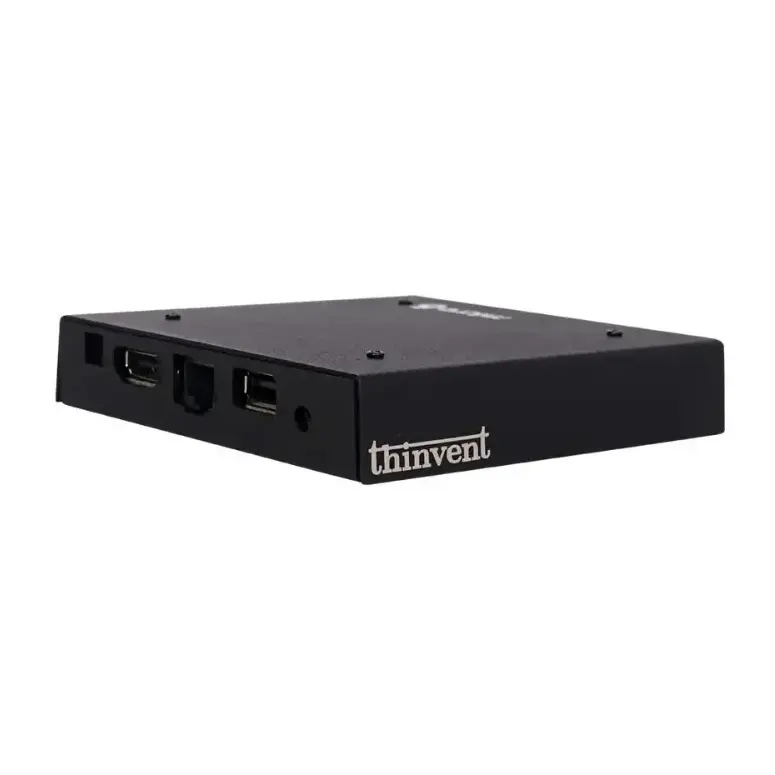
An 8-core server is a computing system designed to handle demanding, multi-threaded workloads by utilizing a central processing unit (CPU) with eight independent processing cores. This architecture allows the server to execute multiple tasks simultaneously, significantly improving performance for applications that benefit from parallel processing. For server applications, 8-core processors provide an excellent balance of computational power, energy efficiency, and cost-effectiveness, making them suitable for a wide range of business and industrial tasks beyond basic computing.
Key specifications for an effective 8-core server extend beyond just the core count. Modern 8-core server processors, such as Intel's Core i5 and i7 series from the 12th to 14th generations, offer high clock speeds, substantial cache memory (e.g., 12MB to 24MB), and support for technologies like hyper-threading, which can effectively double the number of available threads. Essential supporting hardware includes ample main memory (typically starting at 16GB and scaling to 64GB or more), fast SSD storage (256GB to 1TB NVMe), and robust connectivity options like dual Gigabit Ethernet ports for network reliability. These systems often feature fanless, rugged designs for 24/7 operation in harsh environments.
Primary Use Cases and Applications 8-core servers are versatile powerhouses ideal for several critical applications:
-
Network Attached Storage (NAS) & Media Servers: Efficiently manage file storage, backups, and media transcoding for multiple users.
-
Virtualization & Containerization: Host several virtual machines or Docker containers for development, testing, or lightweight production environments.
-
Database Management: Power small to medium-sized database servers for CRM, ERP, or e-commerce platforms.
-
Edge Computing & IoT Gateways: Process and analyze data from sensors and devices locally at the network edge, reducing latency and bandwidth usage.
-
Digital Signage & Kiosk Control: Reliably manage content and playback across multiple displays in retail, hospitality, or corporate settings.
Comparing Server Processor Options When selecting an 8-core server, the processor generation and series are crucial for performance.
| Feature | Intel Core i5 (12th/13th Gen) | Intel Core i7 (13th/14th Gen) | Intel Processor N-Series (e.g., N100) |
|---|---|---|---|
| Typical Core/Thread Count | 8 Cores / 12 Threads | 8+ Cores / 16+ Threads | 4 Cores / 4 Threads |
| Base Power (TDP) | Medium-High (28W-65W) | Medium-High (28W-65W) | Very Low (6W-15W) |
| Ideal For | General-purpose servers, NAS, virtualization | High-performance computing, intensive databases | Lightweight, fanless edge servers, simple IoT gateways |
| Key Advantage | Balanced performance & efficiency | Maximum multi-threaded performance | Extreme energy efficiency & silent operation |
Note: True 8-core performance is found in Core i5 and i7 series. The efficient N-Series, while excellent for specific low-power tasks, typically features 4 cores and is not equivalent to an 8-core server CPU for parallel workloads.
Thinvent's 8-Core Server Solutions
Thinvent offers a range of industrial-grade computing solutions that can be configured as powerful and reliable 8-core servers. Our compact and fanless Industrial PCs and Mini PCs are engineered for continuous operation, featuring processors from Intel's latest generations, support for high-capacity DDR4/DDR5 RAM, and multiple high-speed storage options. These systems are built to thrive in challenging environments, making them perfect for deploying server applications at the edge, in factory settings, or in space-constrained data closets. Explore our product lines to find a rugged, high-performance 8-core server that meets your specific application demands.